A classroom is more than a place where teachers deliver lessons and students complete assignments. At the heart of meaningful education is a relationship built on trust, respect, communication and understanding.J
Join our FREE WhatsApp Group
Stay connected with our learning community and receive useful updates, resources and activities.
A student who feels heard and respected is more likely to participate, ask questions, make mistakes without fear and develop confidence in learning. Similarly, a teacher who understands a student’s needs can provide better guidance and support.
Why Does Teacher–Student Bonding Matter?
A positive teacher–student relationship can influence much more than academic performance.
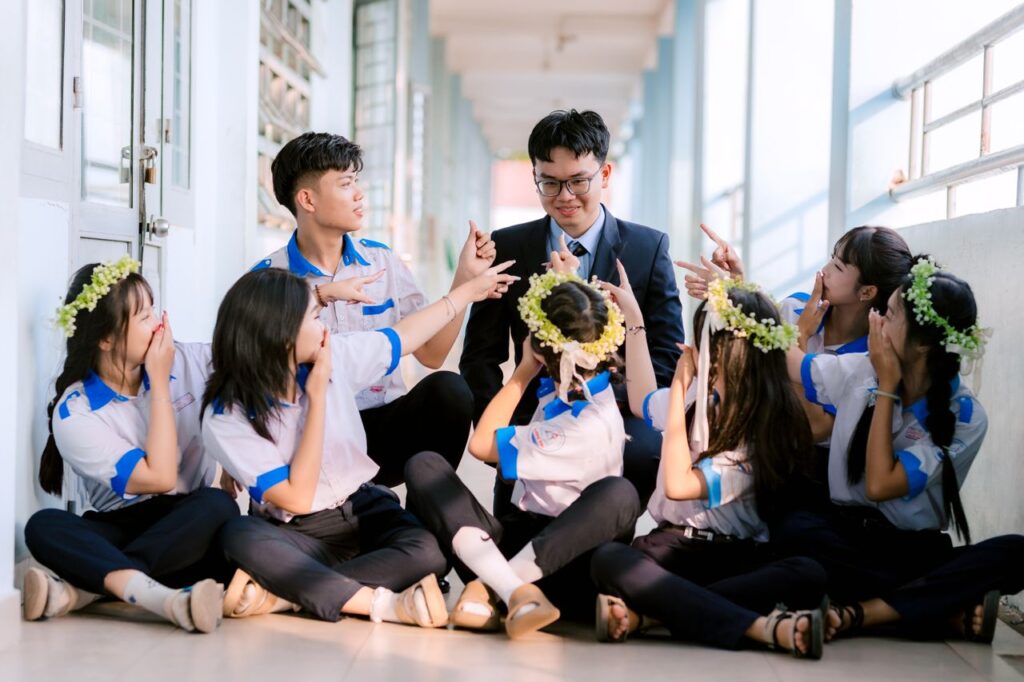
1. It Builds Student Confidence
Students do not always struggle because they lack ability. Sometimes, they simply lack confidence.
A teacher who says, “You can improve. Let’s try again,” can help a student see mistakes as part of learning rather than as failure.
Confidence encourages students to participate, ask questions and take responsibility for their progress.
2. It Creates a Safe Learning Environment
Students learn better when they are not constantly afraid of being judged or embarrassed.
A supportive classroom allows students to:
- Ask questions freely
- Express their ideas
- Make mistakes
- Seek help when needed
- Participate in discussions
- Learn at their own pace
A safe environment does not mean a classroom without discipline. It means discipline with dignity and respect.
Join our FREE Telegram Group
Get learning materials, PDFs, worksheets and educational updates directly in our Telegram community.
3. It Improves Communication
Good teaching is not only about speaking. It is also about listening.
Teachers need to understand what students are struggling with academically, socially and emotionally. Students, in turn, need to learn how to communicate their doubts, difficulties and expectations respectfully.
When communication improves, misunderstandings decrease and learning becomes more effective.
What Can Teachers Do to Build Stronger Connections?
Teachers don’t need grand gestures to build meaningful relationships with students.To understand better insight you can also read here.
Small actions can make a significant difference:
- Learn students’ names and interests.
- Listen without immediately judging.
- Appreciate effort, not only high marks.
- Give constructive feedback.
- Encourage students to ask questions.
- Avoid comparing one student with another.
- Set clear and fair boundaries.
- Celebrate improvement.
- Give students opportunities to take responsibility.
Most importantly, correct the behaviour without damaging the student’s self-worth.
A student may need correction, but they also need to know that one mistake does not define them.
What Can Students Do?
Teacher–student bonding is a two-way relationship.
Students can contribute by:
- Showing respect
- Listening attentively
- Completing responsibilities
- Asking questions when they are confused
- Accepting constructive feedback
- Communicating difficulties honestly
- Respecting classroom rules
- Appreciating their teacher’s efforts
Respect should work in both directions.
The Difference Between Fear and Respect
A classroom based on fear may produce temporary obedience.
A classroom based on respect can produce responsibility, confidence and genuine learning.
There is an important difference between:
“I won’t make a mistake because I’m afraid of my teacher.”
and
“I want to do better because my teacher believes I can.”
The second creates a much stronger foundation for long-term learning.
When a Teacher Becomes a Mentor
A teacher’s role can go beyond completing the syllabus.
A mentor helps students understand:
- What they are good at
- Where they need improvement
- How to overcome academic difficulties
- How to manage mistakes
- How to develop better study habits
- How to become more confident learners
This is especially important during adolescence, when students are developing their identity, confidence and sense of responsibility.
Teachers and Students: Growing Together
The best classrooms are not built by teachers alone.
They are created when teachers and students work together.
Teachers guide.
Students participate.
Teachers encourage.
Students grow.
And together, they thrive.
At Together We Thrive, we believe education should develop not only academic skills but also confidence, communication, responsibility and a positive attitude towards learning.
Because sometimes, the most powerful lesson a teacher gives a student is not written in a textbook.
It is the belief:
“You can do better, and I believe you can.”
A Question for Teachers and Students
What is one thing a teacher can do that makes a student feel truly supported?
Share your thoughts with us.
Together We Thrive — Learning, Growing and Thriving Together.