The Silent Pressure Students Don’t Talk About
Behind good grades and quiet classrooms, many students carry a silent pressure that often goes unnoticed. Academic stress doesn’t always appear as obvious anxiety or complaints—it hides in subtle behaviors like constant procrastination, sudden loss of interest in studies, irritability, or even perfectionism.
Some students begin to doubt their abilities despite performing well, while others avoid tasks altogether out of fear of failure.
What Is Academic Stress in Students
Academic stress in students refers to the mental and emotional pressure they experience due to school-related demands such as exams, assignments, performance expectations, and competition.
- Academic stress often builds silently. Many students do not openly express their struggles, which creates silent pressure for adults to recognize what they are going through. Signs of stress in students must be noticed earlier can save their mental well-being.
That’s why understanding academic stress is important—it helps parents, teachers, and mentors support students not just academically, but emotionally as well.
1. Sudden Loss of Interest in Studies: A Sign of Silent Pressure Students Face
If a child who was once engaged in learning suddenly becomes disinterested or avoids studying, it may not be laziness. This shift is often a result of silent pressure building up in their mind, leading to mental exhaustion and burnout. When silent pressure becomes overwhelming, students naturally begin to disconnect from studies as a coping mechanism.
Many students experience blank moments during exams due to stress and pressure. To understand this better, read our detailed guide on
2. Procrastination and Avoidance: A Common Sign in Silent Pressure Students
Constantly delaying homework, avoiding exams, or making excuses can indicate deeper issues than poor time management. In many cases, this behavior is linked to silent pressure caused by fear of failure or self-doubt. This silent pressure makes students avoid tasks because they feel incapable or anxious about the outcome.
3 Increased Irritability or Mood Swings in Silent Pressure Students
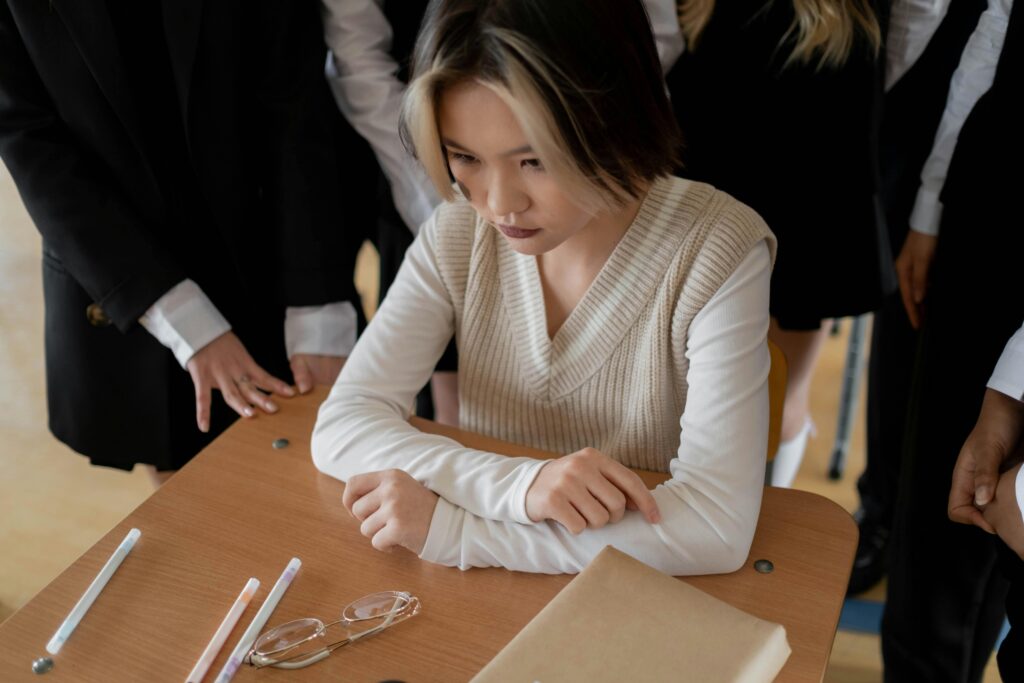
When a student starts reacting strongly to small situations, it can be a sign of internal emotional overload. This kind of behavior often comes from silent pressure that has no outlet, causing frustration and irritability. Since students may not express this silent pressure verbally, it appears through sudden mood changes.
4. Physical Complaints Without Clear Reason in Silent Pressure Students
Frequent headaches, stomach aches, or constant tiredness—especially during school or exam time—can be signs of stress manifesting physically. This happens when silent pressure affects not just the mind but also the body. Over time, this silent pressure can weaken energy levels and overall well-being.
5 Perfectionism and Fear of Making Mistakes in Silent Pressure Students
Some students push themselves excessively, aiming for unrealistic standards and fearing even small mistakes. This perfectionism is often driven by silent pressure to meet expectations and avoid disappointment. Such silent pressure creates constant anxiety, making learning feel stressful instead of enjoyable.
As highlighted by UNICEF, academic pressure can affect children’s mental well-being and learning ability if not managed properly, making it important for parents to provide the right support.
✅ Why this is correct
✔ Trusted external source
✔ Clickable link
✔ Opens in new tab (important for SEO)
✔ Looks professional
🔥 Optional Improved Version (Stronger Impact)
If you want next 🚀
I can:
- Add 1–2 more strong external links (perfect balance)
- Create FAQ section (RankMath green)
- Help you push this blog toward Google ranking
Just tell me 👍
Recognizing these hidden signals early can make a powerful difference. When parents understand the role of silent pressure and respond with empathy instead of judgment, children feel safer to open up. Reducing this silent pressure is the first step toward helping students manage stress in a healthy and confident way.
Silent pressure students experience is real, even when it is not visible to others. Many students silently struggle with expectations, fear of failure, and emotional stress that affects both their confidence and academic performance.
Recognizing these signs early can help parents and teachers provide the right support at the right time. Sometimes children don’t express their stress openly. To understand what your child might be silently going through, explore our journal
By understanding silent pressure students face, you can create a safe and supportive environment where children feel heard, understood, and motivated. Small changes like open communication, encouragement, and reducing unnecessary pressure can make a big difference in a student’s life.
👉 If your child is showing these signs, don’t ignore them. Early guidance and the right support can help them regain focus, confidence, and a positive approach toward learning